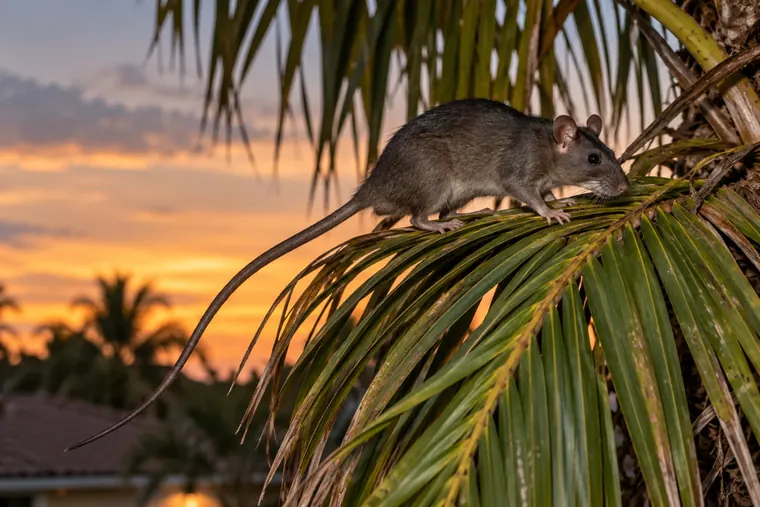
Roof rat
Rattus rattus
- Nests
- High: attics, soffits, wall voids, palms
- Droppings
- About ½ inch, pointed ends
- Gets in
- Gaps of about ½ inch, from the roofline
Merritt Island, Florida
Rat and mouse removal, exclusion, and attic cleanup for homes in ZIP 32952 and 32953.
Scratching overhead at dusk, droppings on a garage shelf, a chewed bag of dry food. Rodent control in Merritt Island usually means a roof rat, and on a barrier island with a heavy palm and oak canopy, the trap is the easy part. The part that decides whether the problem returns is how it got in.
Rodent Control Merritt Island service for ZIP 32952 and 32953.
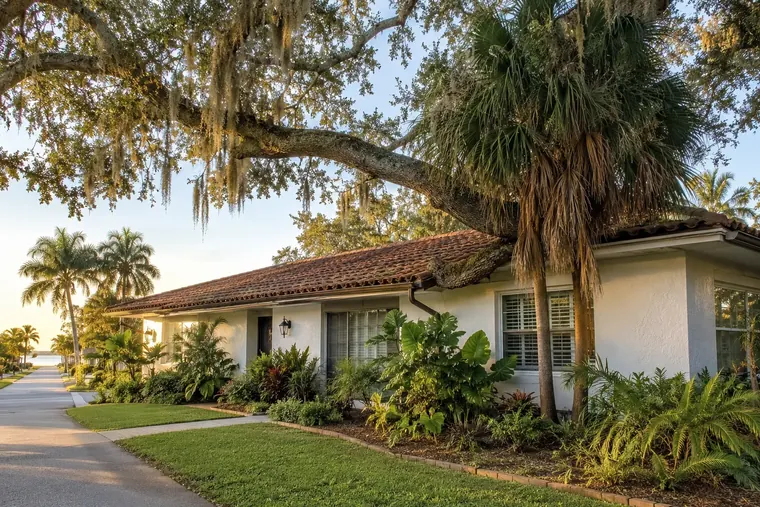
Rodent control services
Each service below is a distinct part of the job, with its own guide. The rodent control services overview covers how they fit together and how to compare quotes.
 Rodent inspectionSpecies, travel routes, and every entry point, inside and out.
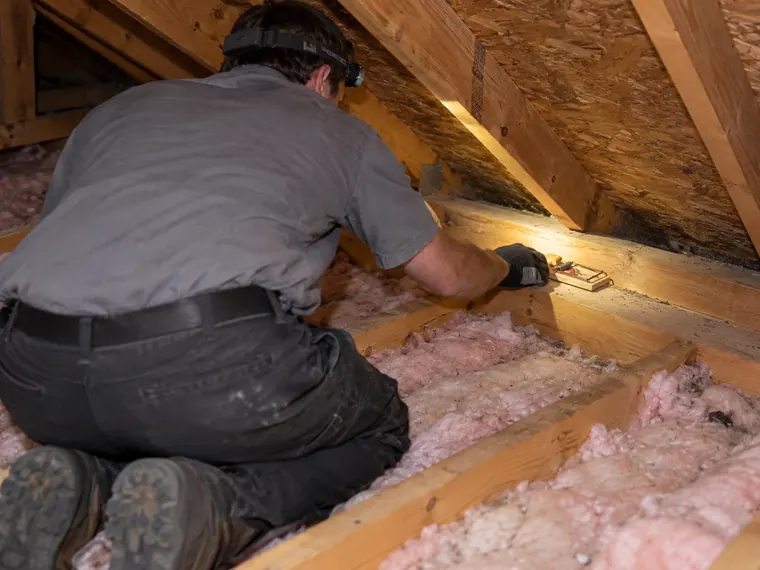 Rat removalTrapping, check schedules, and proof the last rat is gone.
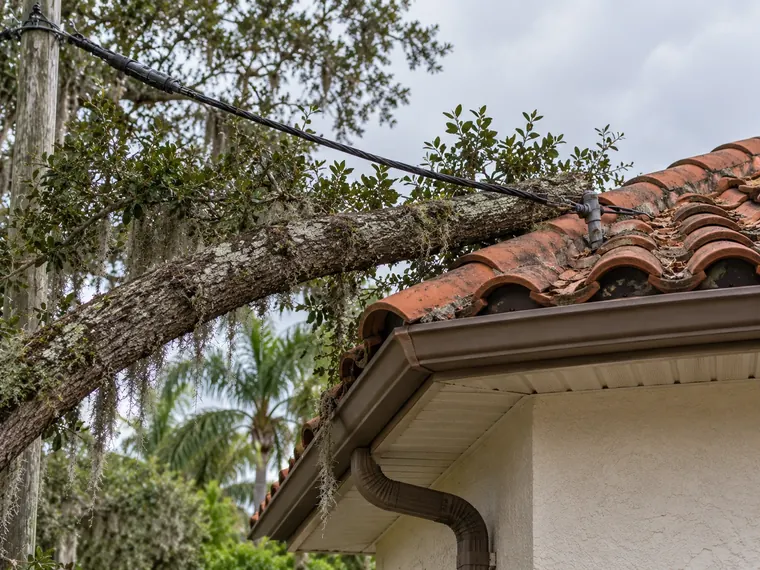 Roof rat controlThe limbs, lines, and palms that lead roof rats to the roof.
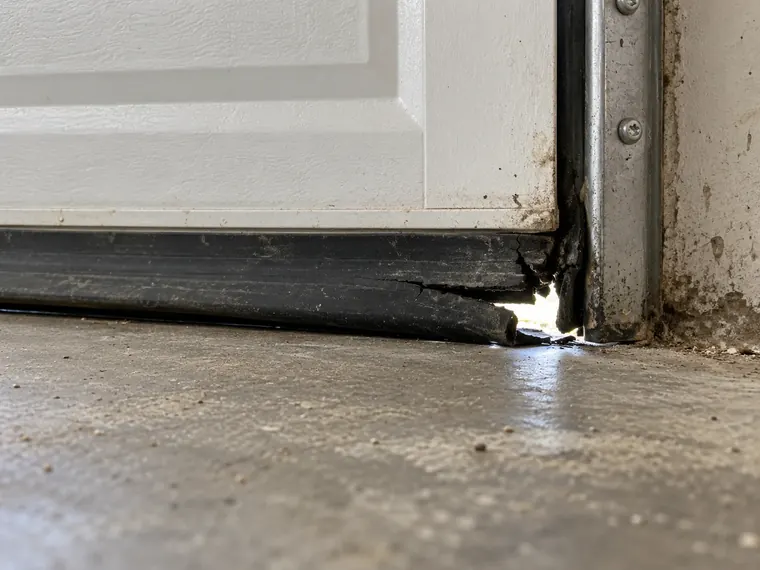 Mouse controlQuarter-inch gaps, kitchens, garages, and tight trap spacing.
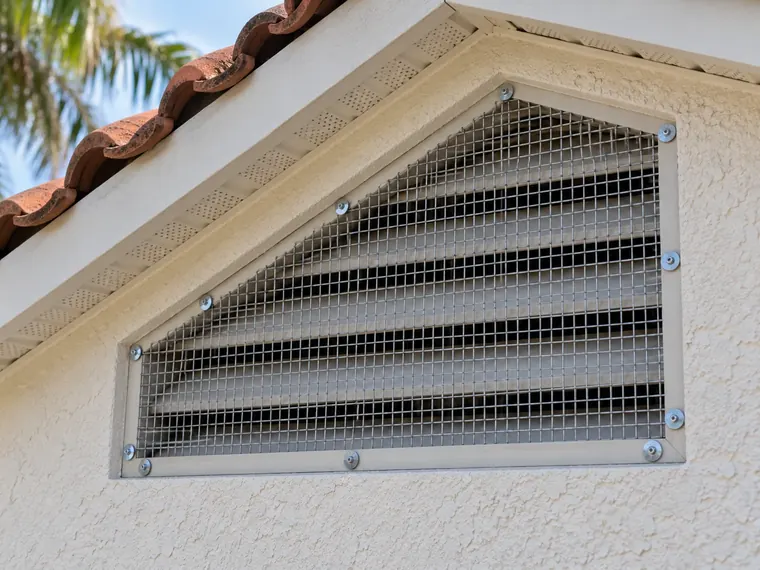 Rodent exclusionGap sizes, metal gauges, and closing every route for good.
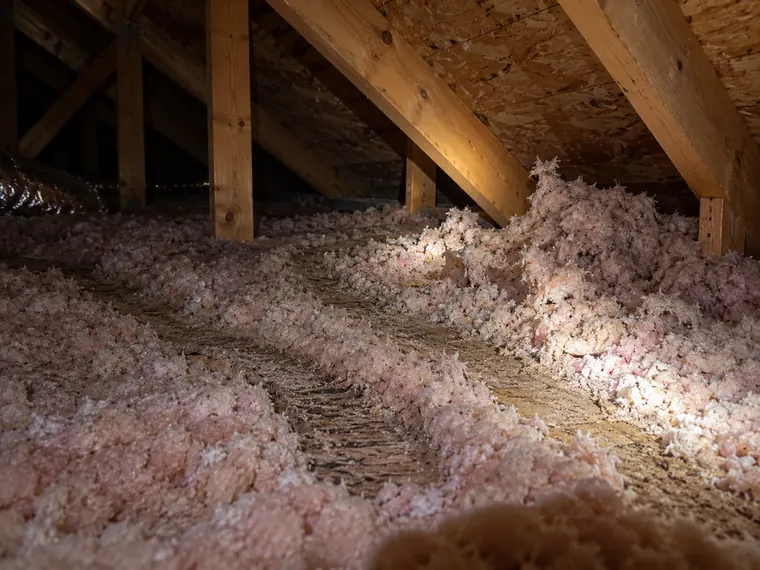 Attic rodent cleanupContaminated insulation, CDC cleanup, and restoration scope.
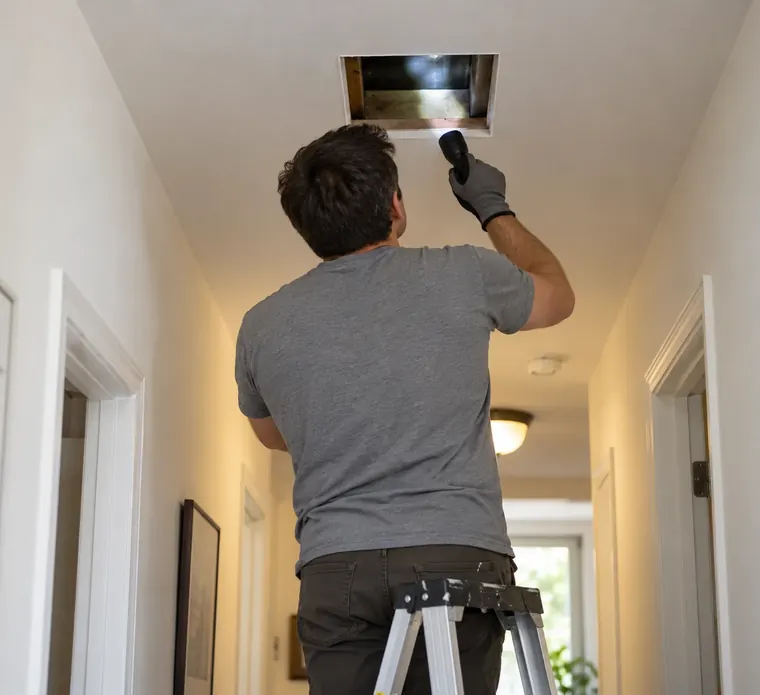 Dead rodent removalFinding the source of an odor and removing it safely.
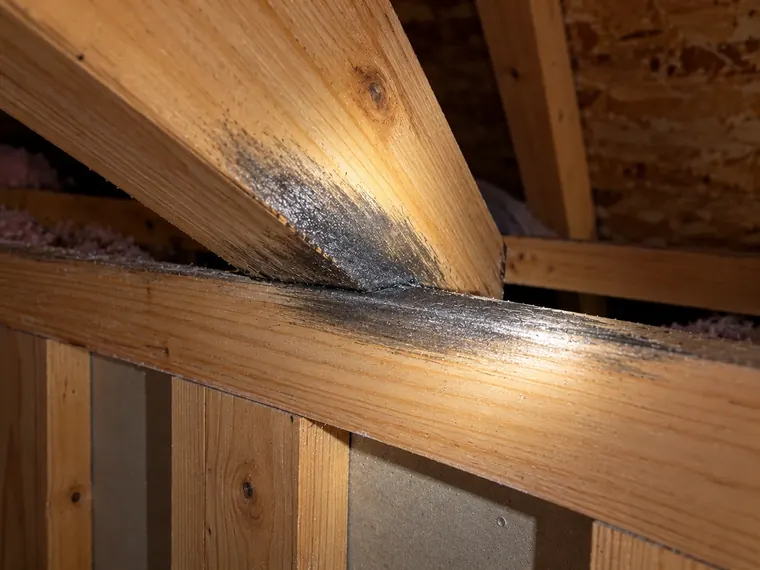 Signs of rodentsDroppings, sounds, and rub marks, and what each one means.
Local conditions
Merritt Island sits low and flat between the Indian and Banana rivers, with mature landscaping and large protected areas nearby, including the Merritt Island National Wildlife Refuge. That combination is pleasant to live in and convenient for a climbing rodent.
UF/IFAS identifies the roof rat as the most abundant and destructive rodent pest in Florida, and describes it as a climber that prefers to nest off the ground in attics, soffits, hollow walls, and outbuildings, as well as in palms and ornamental shrubbery. It also notes that roof rats routinely use utility lines and tree branches to reach buildings.
Two local factors compound that. Florida winters stay mild, so activity continues year round rather than collapsing in a cold snap. And during the June-to-November storm season, heavy rain saturates low ground and pushes rodents toward whatever is higher and drier, which on a flat island is frequently a house.
Where the sound is, what time it happens, which rooms show droppings, and when it started. Precision here shortens the inspection.
Ask directly whether the roofline, soffit returns, gable vents, and utility penetrations will be examined. An interior-only look cannot find the route.
Inspection, removal, verification, exclusion, cleanup, and repair are distinct. A single price that blurs them is difficult to compare or hold anyone to.
Know the animal
The species decides where the inspection looks, which traps are used, and which openings matter. These are the three rodents behind most Rodent Control Merritt Island calls.
Rattus rattus
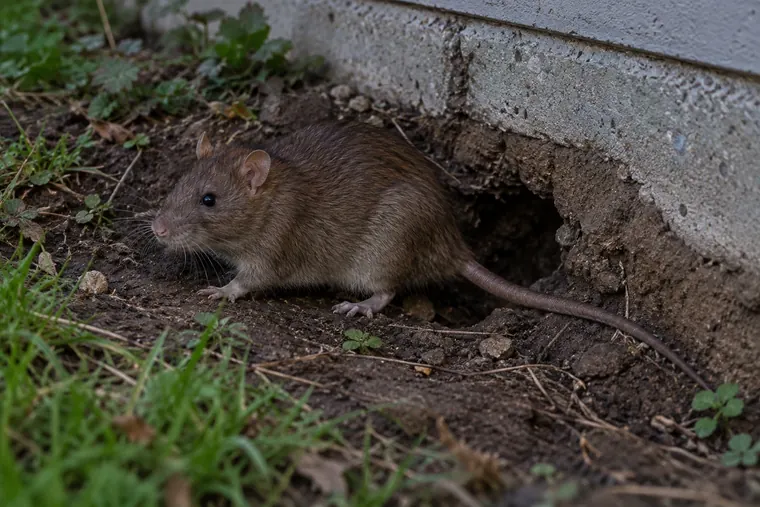
Rattus norvegicus
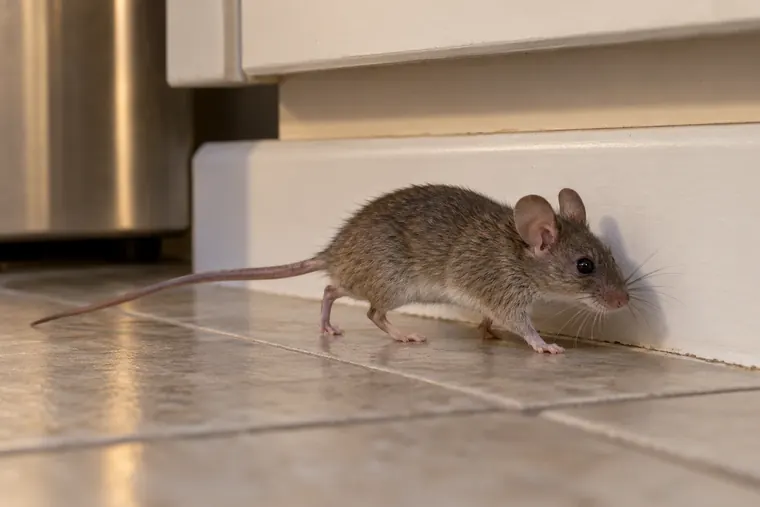
Mus musculus
How professional work is sequenced
UF/IFAS frames rodent control as integrated pest management. The order matters more than any single product: a provider who opens with bait and no roofline inspection has skipped the steps that decide the outcome.
Interior, attic, and the full exterior, to find the species, the travel routes, and every entry point. What it covers
Habitat and sanitation: limbs off the roof, food in hard containers, leaks fixed. Less pressure on the house.
Snap traps on the runways the inspection found, with a stated check schedule. How trapping works
Evidence that activity has stopped before the last opening is closed. Sealing early traps animals inside.
Exclusion with specified materials, then cleanup of droppings, nesting material, and insulation.
UF/IFAS notes that second-generation anticoagulant rodenticides, including brodifacoum, bromadiolone, difenacoum, and difethialone, can kill after a single night's feeding and persist in animal tissue. Animals that eat a poisoned rodent, including cats, dogs, owls, eagles, and hawks, can be poisoned in turn. On an island with substantial raptor habitat, that risk is worth raising before anyone agrees to a bait-first plan. Ask what is being used, where it will be placed, and whether trapping and exclusion can do the work instead.
Before you hire anyone
The Florida Department of Agriculture and Consumer Services regulates structural pest control in Florida. Active pest control businesses hold a numbered state business license, and those numbers carry a JB prefix. FDACS publishes a public license search, and it will confirm a company or applicator by phone at 850-617-7997 during weekday business hours.
It is reasonable to ask a company for its license number before work is scheduled, and reasonable to expect a direct answer. A provider that declines to give one, or supplies a number that does not resolve, has told you something useful.
Beyond licensing, ask what any Rodent Control Merritt Island quote includes and excludes in writing. Structural repairs to fascia, soffit, roof decking, or vents may fall outside a pest control license and require a different qualified trade. Knowing that before work begins prevents a half-finished exclusion job that leaves the actual opening untouched.
What you can do meanwhile
Roof rats reach a roofline along branches, vines, fence tops, and utility lines. Where it is safe and lawful to do so, keep limbs from touching or overhanging the roof, thin dense ornamental growth against exterior walls, and clear fallen fruit. Do not cut anything near an electrical service line or work from a roof yourself.
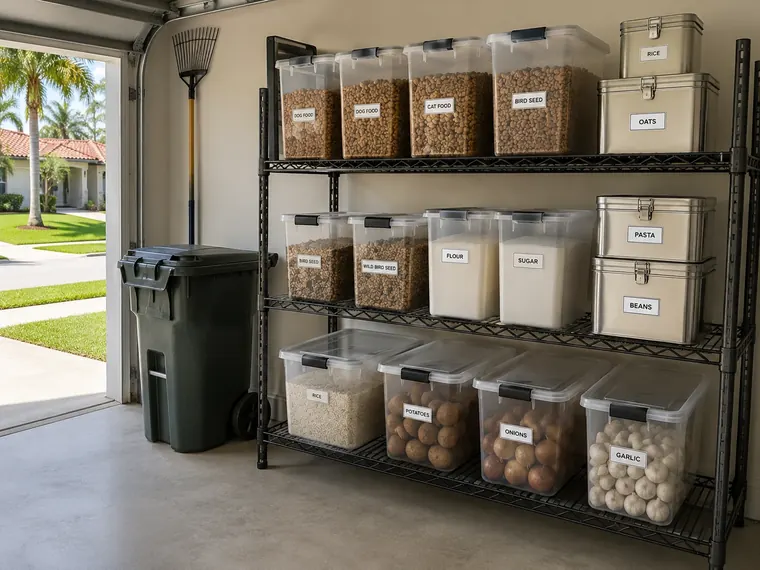
Store dry goods, pet food, and bird seed in sealed hard containers rather than bags. Keep garbage lids closed, clean up spilled seed under feeders, and address standing water and leaking irrigation near the foundation. None of this substitutes for exclusion, but it lowers the value of the property to a rodent.
Do not sweep or vacuum droppings, and do not handle nesting material or a dead rodent without proper precautions. The cleanup guidance on the attic rodent control page follows CDC procedure and explains why dry sweeping is the wrong approach.
Service area
We offer rodent control across Merritt Island: the two residential ZIP codes, 32952 and 32953. Merritt Island is an unincorporated community in Brevard County, set between the Indian River Lagoon to the west and the Banana River to the east, with the Merritt Island National Wildlife Refuge and Kennedy Space Center to the north.
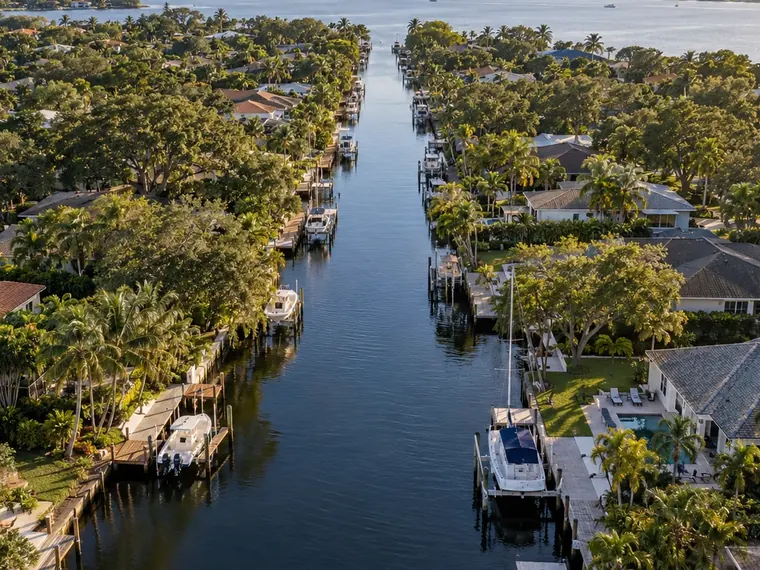
Homes range from older ranch houses with tile or shingle roofs to canal-front properties and condominium communities, much of it under mature oak and palm canopy. That canopy, the waterfront vegetation, and mild winters are why roof rats are the common call here, and why the roofline is where most inspections should start.
Addresses outside those two ZIP codes, including Cocoa, Cocoa Beach, Cape Canaveral, Rockledge, and Titusville, are not covered. We do not currently serve addresses outside 32952 and 32953.
Reviews
Reviews from Merritt Island homeowners we have helped.
★★★★★
“The team explained where the rodents were getting in and what needed to be done. We appreciated the clear communication throughout the service.”
★★★★★
“We were hearing scratching in the attic and wanted the problem checked. The team inspected the area, explained their findings, and walked us through the next steps.”
★★★★★
“We appreciated the thorough inspection and practical advice for keeping rodents out. Our questions were answered clearly, and we understood the work being recommended.”
Frequently asked questions
UF/IFAS describes the roof rat as the most abundant and damaging rodent pest in Florida. It climbs well and prefers to nest above ground, which is why attics, soffits, hollow walls, palms, and ornamental shrubbery are typical locations on a barrier island with a dense canopy.
No. Florida winters are mild enough that activity continues year round. Cooler nights tend to raise interest in a warm attic rather than reduce overall pressure, so the pattern is seasonal even though the pressure is not.
Not automatically. Sealing an active entry point while rodents are inside can trap animals in the structure. A sound plan sequences monitoring and removal, verifies that activity has stopped, and closes the final openings last.
FDACS licenses structural pest control businesses in Florida. Business license numbers carry a JB prefix, FDACS publishes a public license search, and staff will verify a company or applicator by phone at 850-617-7997 on weekdays.
It depends on what the inspection finds. Active removal typically needs follow-up to confirm it worked, and exclusion work is often scheduled after that verification. Ask at the outset how many visits the proposed plan assumes and what triggers another one.
Rodent inspection, rat removal, roof rat control, mouse control, rodent exclusion, attic cleanup and insulation, and dead rodent removal. We offer each of them, and the rodent control services page explains how they fit together.
It depends on which phases the job needs: inspection, trapping, verification, exclusion, cleanup, and repair are priced differently, and a small garage mouse problem is not an attic restoration. We price each job after an inspection and provide a written quote that prices each phase separately, so you can see exactly what is included.
No. We serve Merritt Island ZIP codes 32952 and 32953 only, so addresses outside those two ZIP codes are not covered.
Particular situations
A house that sits empty for part of the year is a different problem than one occupied continuously. Activity can build for months with nobody present to hear it, so the first sign is often visual rather than audible: droppings on a counter, a chewed pantry item, or insulation pulled down in a garage corner. If you are opening a seasonal property, check the pantry, the water heater closet, the garage, and the attic hatch surround before assuming the house is as you left it.
For a rental, clarify early who arranges and pays for what. Inspection and removal, exclusion work on the structure, and repairs to soffit or fascia frequently sit with different parties under a lease. Getting that settled before scheduling avoids a stalled job where the trapping is done but nobody has authorized closing the opening, which reliably produces a repeat call a few months later.
Recent buyers are in a related position. A rodent issue found shortly after closing often predates the sale, and the evidence, such as old droppings, prior bait stations, or patched vent screening, can indicate how long it has been going on and whether previous work addressed the route or only the animals. Ask the inspector to distinguish current activity from historical damage, because the two lead to very different scopes of work.
In each case the underlying approach to Rodent Control Merritt Island properties is the same: establish what is active now, find how the animal is entering, close that route with the right material, and confirm the result. What changes is who needs to authorize each step and how quickly the property can be accessed.
Ready for the next step?
Call to speak with our rodent control team serving ZIP 32952 and 32953.